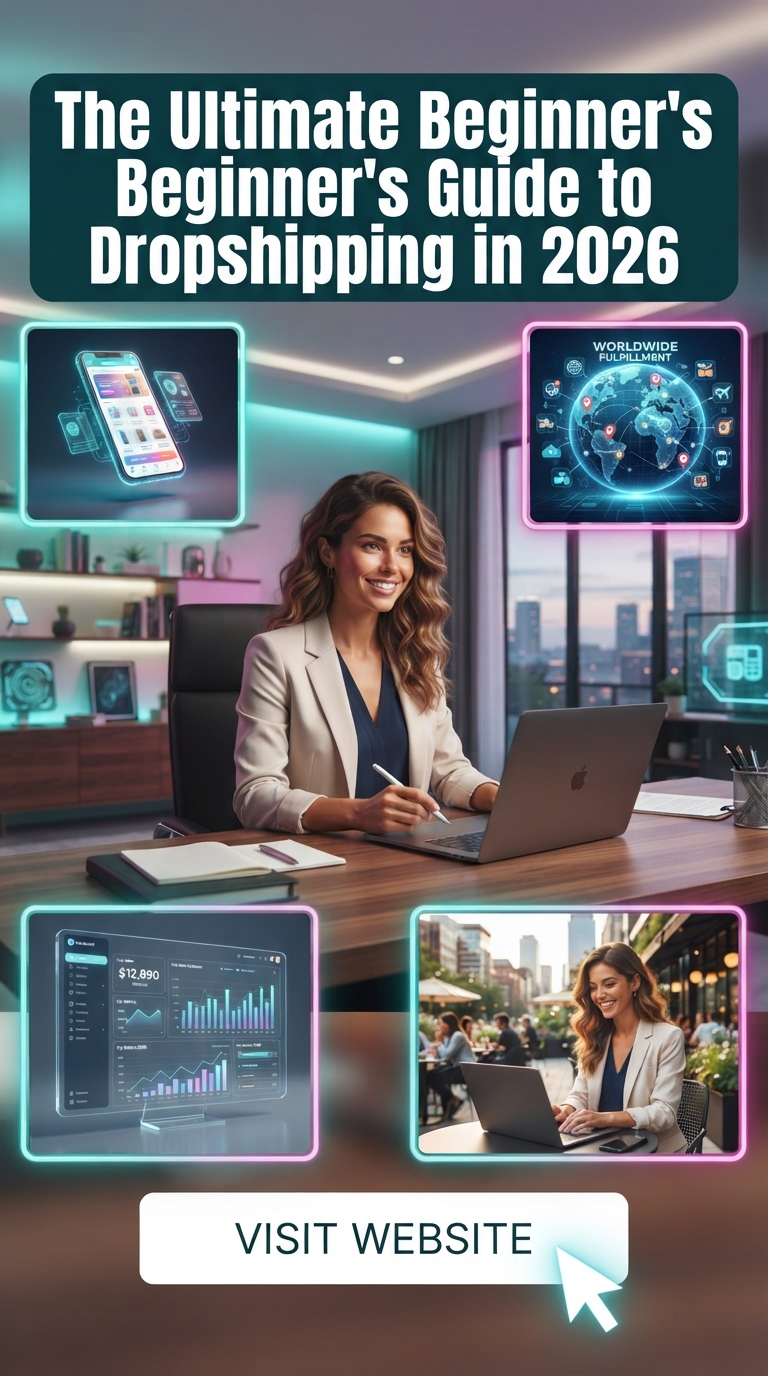
The Ultimate Beginner’s Guide to Drop shipping in 2026
Drop Shipping Has Evolved From A “Get-Rich-Quick
Drop shipping has evolved from a “get-rich-quick” trend into a sophisticated, data-driven pillar of modern e-commerce. In 2026, the barrier to entry remains low, but the requirements for success have shifted. Today, building a profitable store is less about finding a “winning product” and more about building a reliable, brand-focused experience for your customers.
1. Understanding the Dropshipping Model
At its core, dropshipping is a retail fulfillment method where the store owner does not keep the products they sell in stock.
How It Works:
- Customer Order: A customer visits your online store and purchases a product at your retail price.
- Order Forwarding: Your store automatically (or manually) forwards the order details and shipping information to your third-party supplier.
- Fulfillment: The supplier packages the item and ships it directly to your customer’s doorstep under your brand name.
- Profit: You pay the supplier their wholesale price, and you keep the difference as your profit margin.
Why It’s Popular:
- Low Upfront Costs: You don’t need to purchase massive amounts of inventory or rent warehouse space.
- Flexibility: You can test products without the risk of “dead stock”—products you’ve paid for but cannot sell.
- Location Independence: As long as you have a laptop and an internet connection, you can manage your operations from anywhere.
2. Is Dropshipping Still Profitable in 2026?
Yes, but the “Wild West” days are over. Consumers now expect Amazon-level shipping speeds and professional customer service. The dropshipping businesses that thrive in 2026 are those that move away from “general stores” (selling everything from socks to electronics) and instead focus on niche specialization.
- The Shift: Success today is driven by building a brand, nurturing a community, and ensuring supply chain reliability.
- The Reality: It is not passive income. It is a business that requires consistent marketing, customer service, and logistical management.
3. Step-by-Step: Launching Your Business
Step 1: Niche Selection
Don’t sell everything. Focus on a specific category where you can solve a problem or cater to a passionate hobbyist community.
- Check for Demand: Use tools like Google Trends to see if interest in your niche is steady or growing.
- Analyze Competition: If you can’t differentiate yourself, you’ll lose on price. Look for niches where you can offer better content, better packaging, or a better “vibe.”
Step 2: Sourcing Reliable Suppliers
Your supplier is your fulfillment team. Their delays are your delays.
- Vet Them: Never sell a product you haven’t seen. Order a sample to test shipping speed, packaging, and product quality.
- Prioritize Localized Fulfillment: In 2026, customers expect delivery in 3–5 days. Seek suppliers with warehouses in your target market (e.g., US-based warehouses if selling to the US).
Step 3: Choose Your Tech Stack
You need a platform that handles the heavy lifting through automation.
- E-commerce Platforms: Shopify remains the industry standard, offering the most robust app ecosystem for dropshippers.
- Automation Apps: Use tools like DSers, Spocket, or DropCommerce to sync your store with supplier inventory. These apps update stock levels automatically so you don’t sell items that are out of stock.
Step 4: The “Stress Test”
Before spending your entire marketing budget on ads, “stress test” your setup. Run a small test—order five products to different addresses to see how long shipping takes and if the tracking updates work correctly. If your store fails these tests, your customers will too.
4. Pros and Cons at a Glance
| Advantages | Disadvantages |
| Low Barrier to Entry: Very little capital required to start. | Limited Control: You don’t manage the packaging or the product quality directly. |
| Scalability: You can add or remove products in minutes. | High Competition: Many others are selling similar goods. |
| Zero Inventory Risk: You only buy what you have already sold. | Thin Margins: You are paying for the convenience of others handling logistics. |
5. Critical Success Factors for 2026
Focus on “Social Commerce”
Organic reach via TikTok Shop, Instagram Reels, and influencer partnerships often outperforms cold Facebook ads. Building a community around your brand reduces your Customer Acquisition Cost (CAC).
Build Trust
Consumers are wary of low-quality dropshipping sites.
- Clear Policies: Have a transparent return and refund policy visible on your site.
- Professional Branding: Avoid “robot-written” product descriptions. Write unique copy that explains why the customer needs the item.
- Secure Payment: Ensure your checkout process is smooth and secure.
The Role of Automation
Don’t waste time on data entry. Use automation tools to handle:
- Order Routing: Automatically sending orders to the supplier the moment they are placed.
- Tracking Sync: Automatically updating the customer with their tracking number as soon as the supplier ships the item.
Final Thoughts: Treat It Like a Real Business
The secret to dropshipping in 2026 is simple: Don’t treat it like a side hustle. It is a legitimate retail model that requires the same care as a traditional brick-and-mortar store. If you prioritize the customer experience, maintain a reliable supply chain, and focus on building a brand rather than chasing quick trends, you can build a sustainable and scalable business.
Are you currently leaning toward a specific niche, or are you in the early brainstorming phase? I can help you evaluate a niche or walk you through the specifics of setting up your first Shopify store.