Make Money Online Without Investment
Making Money Online Without Investment: The 2024 Blueprint for Financial Freedom
The dream of earning a living from a laptop, seated in a coffee shop or a home office, has shifted from a niche fantasy to a mainstream reality. However, a common barrier prevents thousands of aspiring entrepreneurs from taking the plunge: the belief that you need significant capital to start.
The truth is, the digital economy has democratized wealth. In the 21st century, your most valuable currency is not the balance in your bank account, but your time, your skills, and your internet connection. This comprehensive guide explores the most effective, legitimate, and sustainable ways to make money online without spending a single dime upfront.
Why “Zero Investment” is the Best Way to Start
Starting a business with zero capital forces you to be lean, creative, and focused. Instead of “buying” your way into a market through expensive ads or inventory, you are “earning” your way in through sweat equity. This approach minimizes risk while maximizing the learning curve. If a particular venture doesn’t work, you haven’t lost your life savings—you’ve simply gained an education in what not to do.
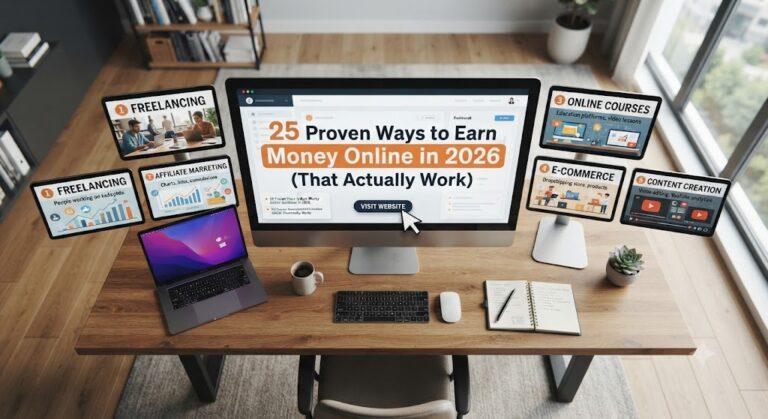
1. The Freelance Economy: Selling Your Skills
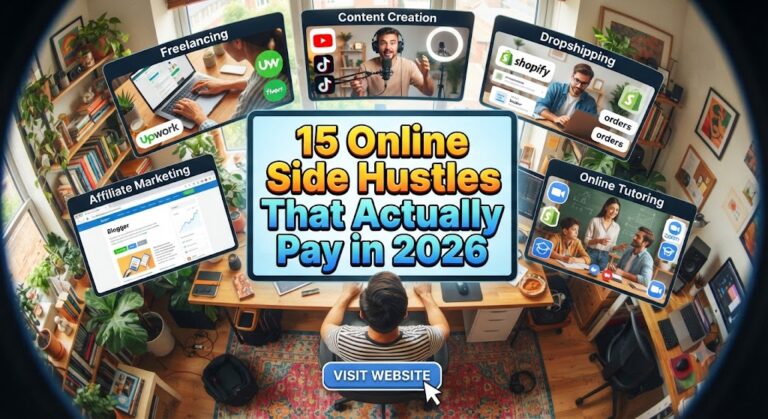
Freelancing is the fastest way to turn your existing talents into cash. Companies worldwide are shifting away from full-time hires toward project-based contractors to save on overhead.
Content Writing and Copywriting
If you can string sentences together effectively, you have a marketable skill.
- Article Writing: Blogs need a constant stream of content. You can write educational, entertaining, or news-based articles.
- Copywriting: This is the art of writing to sell. It includes email sequences, sales pages, and product descriptions. Copywriters are among the highest-paid freelancers because they directly impact a company’s revenue.
- Where to start: Platforms like Upwork, Fiverr, and ProBlogger Job Board.
Virtual Assistance (VA)
A Virtual Assistant is a remote personal assistant. Business owners are often overwhelmed with administrative tasks and are willing to pay for someone to manage their chaos.
- Tasks include: Email management, scheduling appointments, basic social media posting, and data entry.
- Tools to master: Google Workspace, Slack, Trello, and Zoom.
Graphic Design via Free Tools
You don’t need a $50/month Adobe Creative Cloud subscription to be a designer anymore.
- Canva: Use the free version of Canva to create social media graphics, eBooks, and logos for small businesses.
- Niche Down: Focus on a specific niche, such as “YouTube Thumbnail Design” or “Instagram Carousel Creator,” to stand out.
2. Leveraging the Power of Content Creation
Content is the fuel of the internet. While it takes longer to monetize than freelancing, the “passive” potential is much higher.
YouTube: The Long-Term Wealth Builder
YouTube is the world’s second-largest search engine. You don’t need a 4K camera; most modern smartphones are more than sufficient.
- Faceless Channels: If you’re camera-shy, you can create “Cash Cow” channels using stock footage (from Pexels or Pixabay) and voiceovers.
- The Path to Profit: Once you hit 1,000 subscribers and 4,000 watch hours, you can join the YouTube Partner Program for ad revenue. However, you can make money much sooner through sponsorships and affiliate links.
Blogging and Niche Sites
Blogging is far from dead; it has just evolved. By using free platforms like Medium.com or Substack, you can build an audience without paying for hosting or a domain initially.
- The Strategy: Solve specific problems. Instead of writing about “Your Day,” write about “How to Fix a Leaky Faucet” or “The Best Budget Travel Tips for Italy.”
- Monetization: Use the Medium Partner Program or include affiliate links in your Substack newsletters.
3. The World of Micro-Tasks and Testing
If you have a few spare hours and want immediate (though smaller) payments, micro-tasking is an excellent entry point.
User Testing
Companies want to know if their websites and apps are user-friendly. They will pay you to “think out loud” while you navigate their site.
- Platforms: UserTesting, Intellizoom, and TryMyUI.
- Earnings: Typically $10 for a 20-minute test. If you are fast and articulate, this can add up to a significant side hustle.
Online Surveys (Done Right)
Most survey sites are a waste of time, but a few high-quality platforms are worth the effort.
- Pro Tip: Stick to Proactive Academic or Google Opinion Rewards. These pay better and respect your data more than generic “get rich quick” survey sites.
- Focus: Treat this as “gap filler” income—something to do while waiting for the bus or during a commercial break.
4. Education and Knowledge Sharing
The “Knowledge Economy” is booming. If you know something that someone else doesn’t, you can monetize that gap.
Online Tutoring
You don’t need a teaching degree to tutor online, though it helps.
- Language Teaching: If you are a native English speaker, platforms like Cambly or Preply allow you to chat with students from around the world.
- Subject Matter Expertise: If you excelled at Math, Science, or even Guitar, you can find students on Superprof.
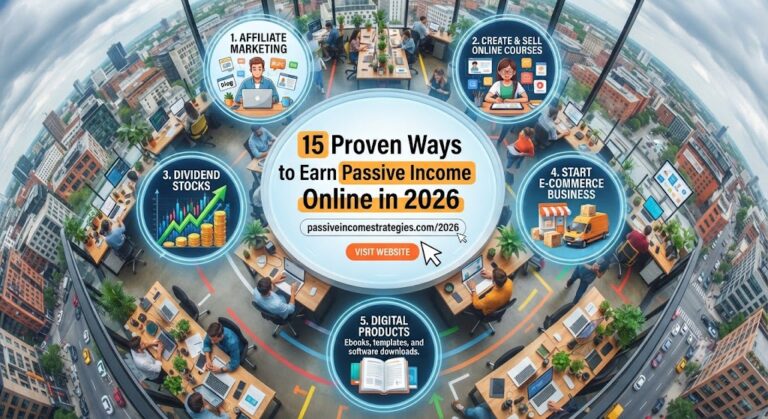
Selling Digital Products
Create a product once and sell it a thousand times.
- Checklists and Templates: Are you good at organization? Create a “Wedding Planning Checklist” or an “Excel Budget Template.”
- E-books: Write a 30-page guide on a topic you know well and upload it to Amazon Kindle Direct Publishing (KDP) for free. They take a cut of the sales, but there are no upfront costs.
5. Affiliate Marketing: The “Middleman” Strategy
Affiliate marketing is the process of earning a commission by promoting other people’s products. It requires zero inventory, zero shipping, and zero customer support.
How to Start with No Money:
- Choose a Niche: Focus on something you are passionate about (e.g., sustainable living, tech gadgets, or fitness).
- Join Affiliate Programs: Sign up for Amazon Associates, ShareASale, or ClickBank.
- Promote on Social Media: Use TikTok, Pinterest, or Instagram to create helpful content. For example, if you’re in the fitness niche, film a “What I Eat in a Day” video and link the blender you use in your bio.
- Pinterest Strategy: Pinterest is a visual search engine. Create “Pins” that lead to helpful blog posts or product recommendations. This can drive traffic for years without you spending a dime on ads.
6. Transcription and Translation
If you have a keen ear or are bilingual, these fields offer steady work.
Transcription
This involves listening to audio files and typing out what you hear.
- Requirements: A good pair of headphones and a high typing speed.
- Platforms: Rev, TranscribeMe, and Scribie.
- Specialization: Legal and medical transcription pay significantly higher than general transcription.
Translation
Machine translation (like Google Translate) still can’t capture nuance and culture.
- Platforms: Gengo, OneHourTranslation, and Unbabel.
- Tip: Look for “localization” gigs where you help companies adapt their marketing message for your local culture.
7. Print on Demand (POD)
Print on Demand is the “lazy” way to start an e-commerce brand. You create the design; a third-party company prints it on a shirt or mug and ships it to the customer.
The Workflow:
- Design: Use Canva or Photopea (a free Photoshop alternative) to create designs. You don’t need to be an artist; often, simple text-based designs sell the best.
- Upload: Upload your designs to Redbubble, Teepublic, or Amazon Merch on Demand.
- Profit: When someone buys a shirt with your design, the platform handles everything and sends you a royalty. You have no risk of unsold inventory.
8. Data Entry and Remote Admin Work
While not the most “glamorous” option, data entry is a reliable way to start.
- What it involves: Inputting information from paper to digital formats, updating spreadsheets, or cleaning up databases.
- Where to look: Search for “Remote Data Entry” on LinkedIn Jobs or Indeed.
- Warning: Be wary of jobs that ask you to pay for “training” or “software.” A real job will never ask you for money.
9. Social Media Management for Small Businesses
Many local business owners (plumbers, cafes, florists) know they need to be on social media, but they don’t have the time or knowledge to do it.
- The Pitch: Offer to manage their Instagram or Facebook page for a month for a low fee or even for free to get a testimonial.
- The Service: Post 3 times a week, respond to comments, and engage with local followers.
- Scaling: Once you have 3 successful clients, you have a portfolio. You can then charge $500–$1,000 per month per client.
10. Navigating the Pitfalls: How to Avoid Scams
The “make money online” space is unfortunately filled with predators. Protecting yourself is just as important as finding work.
- Never Pay to Work: If a “company” asks for an entry fee, a “laptop fee,” or a “security deposit,” it is a scam.
- Too Good to Be True: If someone promises you $500 an hour for clicking buttons, it’s a scam.
- Communication: Stay on the platform (like Upwork or Fiverr) until you have built trust. Scammers often try to move you to Telegram or WhatsApp immediately to avoid detection.
- Research: Use Trustpilot and Glassdoor to check the reputation of any platform you plan to join.
The Roadmap: From $0 to Your First $1,000
If you are starting from zero today, here is a 90-day plan:
Month 1: The Skill-Building Phase
Identify one skill (Writing, Design, or VA work). Spend two weeks consuming every free tutorial on YouTube about that skill. Create 3 “spec” pieces—work you do for free to show what you can do.
Month 2: The Hustle Phase
Set up profiles on Upwork and Fiverr. Apply to 5-10 jobs every single day. Do not get discouraged by rejection. Your goal this month is to get one client, even if it’s a small $20 job. That first five-star review is worth more than the money.
Month 3: The Scaling Phase
Use your first review to land higher-paying clients. Start a side project (like a YouTube channel or a niche blog) in your spare time. Use the money from freelancing to eventually invest in better tools or a professional domain.
The Psychological Game of Online Income
The biggest reason people fail to make money online is not a lack of opportunity, but a lack of persistence. The “Shiny Object Syndrome” is real—people jump from affiliate marketing to YouTube to dropshipping without ever sticking to one long enough to see results.
Consistency trumps intensity. Doing one hour of focused work every day for a year is better than working 15 hours a day for one week and then quitting.
Conclusion: Your Time is Your Capital
The internet has removed the gatekeepers. You no longer need a bank’s permission or a massive inheritance to start a business. Whether you choose to sell your skills as a freelancer, share your knowledge through tutoring, or build a digital empire through content creation, the path is open.
Stop waiting for the “perfect time” or for “enough money” to start. Your journey to financial independence starts with a single search, a single application, or a single video upload. The only investment required is your discipline and your refusal to quit.
The digital world is waiting. Are you ready to claim your share?