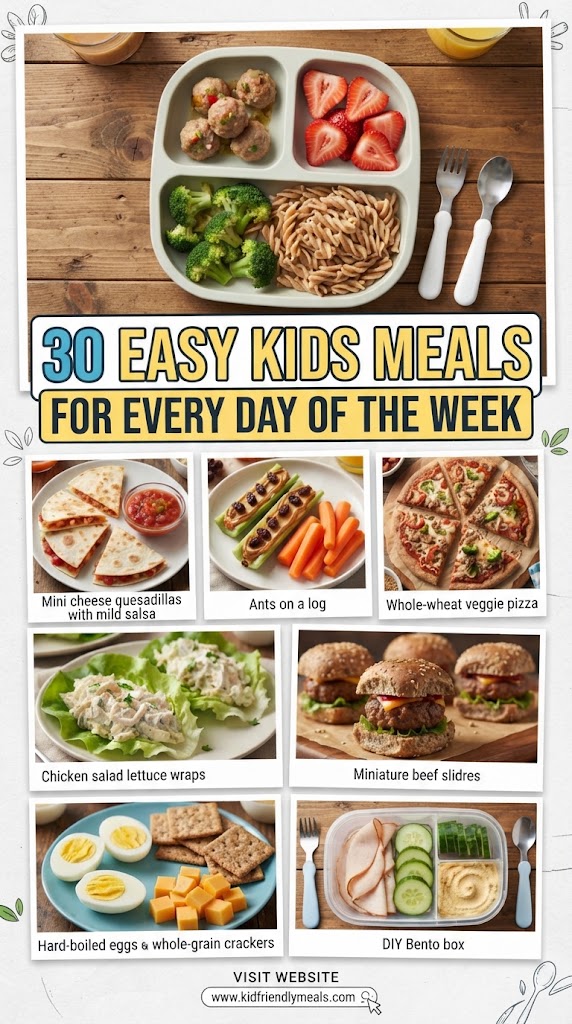
30 Easy Kids Meals for Every Day of the Week
Finding meals that kids will actually eat can feel like a full-time job. Between busy school mornings, homework, sports, after-school activities, and picky eating phases, parents need food that is simple, affordable, nutritious, and appealing to little appetites.
That is why having a collection of easy kids meals can make such a difference. Instead of wondering what to cook every afternoon or evening, you can rotate through simple family favorites that require everyday ingredients and minimal preparation.
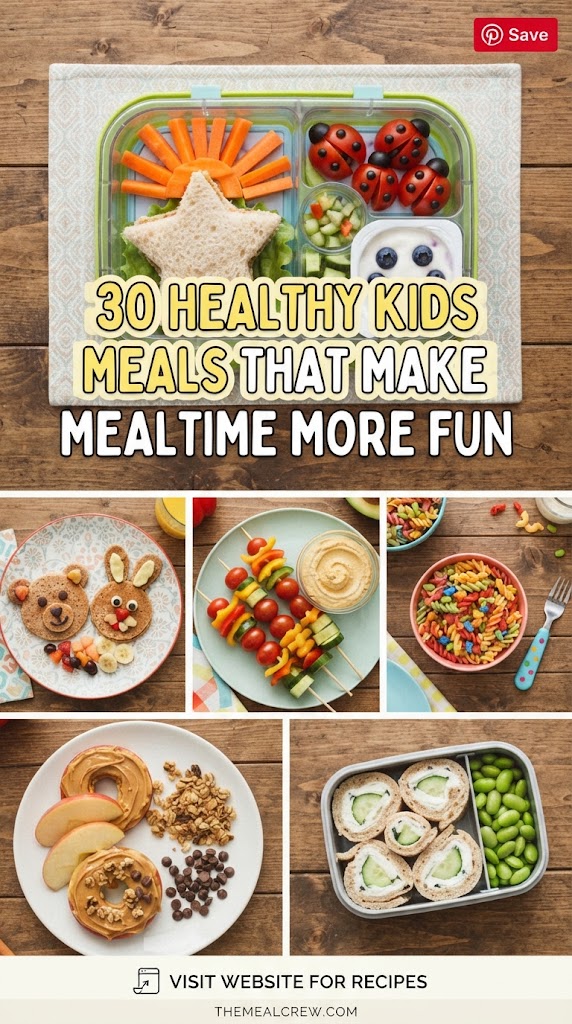
This list of 30 easy meals for kids includes breakfast ideas, lunches, quick dinners, snacks, pasta dishes, chicken meals, sandwiches, rice bowls, homemade pizza, and fun food combinations. Many of these meals can be adjusted for different ages and preferences, making them useful for toddlers, elementary school children, and older kids.
When planning meals for children, variety matters. USDA MyPlate recommends offering foods from the major food groups, including fruits, vegetables, grains, protein foods, and dairy or fortified soy alternatives. (MyPlate)
The goal does not have to be a perfect plate at every meal. Instead, think about creating a balanced pattern over the course of the day while giving children opportunities to try different foods.
Why Easy Kids Meals Matter
Busy families need practical recipes. A complicated recipe with a long ingredient list may sound delicious, but it is not always realistic on a Tuesday night.
The best kids meals are often simple combinations of familiar foods. Think chicken and rice, pasta with vegetables, scrambled eggs and toast, turkey sandwiches, quesadillas, homemade pizza, yogurt with fruit, or a colorful snack plate.
Simple meals can also make mealtime less stressful.
When children recognize the foods on their plate, they may feel more comfortable trying something new. You can pair a new ingredient with a familiar favorite rather than serving an entirely unfamiliar meal.
For example, if your child loves pasta, try adding peas, shredded chicken, or roasted vegetables. If they enjoy quesadillas, you can gradually introduce beans, corn, avocado, or finely chopped vegetables.
USDA guidance also encourages offering variety and involving children in age-appropriate food preparation. Kids can help with tasks such as assembling foods, measuring ingredients, peeling fruits, or setting the table. (MyPlate)
30 Easy Kids Meals to Try This Week
1. Cheesy Chicken Quesadillas
Chicken quesadillas are one of the easiest meals for kids because they combine crispy tortillas with melted cheese and mild chicken.
Use flour or whole-wheat tortillas, shredded cooked chicken, and shredded cheese. Add a small amount of corn, finely chopped bell pepper, or beans if your child enjoys them.
Place the filling between two tortillas and cook in a skillet until golden brown and the cheese melts.
Cut the quesadilla into triangles and serve with avocado, fruit, yogurt, or mild salsa.
Easy tip: Use leftover roasted chicken to make this meal even faster.
2. Homemade Mini Pizzas
Pizza night does not have to mean ordering takeout.
Use whole-wheat English muffins, pita bread, tortillas, or small pizza crusts as the base. Let kids spread tomato sauce and add shredded mozzarella cheese.
They can choose toppings such as:
- Chicken
- Corn
- Mushrooms
- Bell peppers
- Tomatoes
- Olives
- Pineapple
- Turkey pepperoni
Bake until the cheese melts and the crust becomes crisp.
One benefit of mini pizzas is that every child can create a slightly different version.
3. Creamy Chicken Pasta
Creamy pasta is an easy comfort meal for busy nights.
Cook pasta according to the package instructions. Add cooked chicken and a simple sauce made from milk, cheese, and a small amount of butter or olive oil.
For extra nutrition, mix in peas, broccoli, spinach, or finely chopped carrots.
You can also use whole-grain pasta for additional fiber.
Keep the vegetables small and familiar if your child is hesitant about them.
4. Peanut Butter and Banana Toast
For a fast breakfast, lunch, or after-school snack, try peanut butter and banana toast.
Spread peanut butter over whole-grain toast and top with sliced banana.
For children with peanut allergies, use an appropriate alternative such as sunflower seed butter, following your family’s allergy guidance.
Serve with milk, yogurt, or another fruit for a simple meal.
This is especially useful on mornings when you need something ready in just a few minutes.
5. Chicken and Rice Bowls
Rice bowls are incredibly flexible and can be customized for picky eaters.
Start with cooked rice. Add small pieces of grilled or roasted chicken and let your child choose toppings.
Try:
- Corn
- Peas
- Shredded carrots
- Cucumber
- Avocado
- Cheese
- Mild yogurt sauce
You can keep each ingredient separate instead of mixing everything together.
This approach can be helpful for children who prefer foods that do not touch.
6. Breakfast Egg Muffins
Egg muffins are perfect for breakfast meal prep.
Whisk eggs with a little cheese and add finely chopped vegetables such as spinach, bell pepper, or broccoli.
Pour the mixture into greased muffin cups and bake until the eggs are fully cooked.
Make a batch at the beginning of the week and refrigerate according to safe food-storage practices.
Serve with fruit and whole-grain toast.
These mini portions can be easier for kids to handle than a large omelet.
7. Turkey and Cheese Roll-Ups
When you need a quick lunch, turkey and cheese roll-ups are an excellent option.
Place turkey and cheese on a tortilla, roll it tightly, and slice it into small pieces.
Add cucumber slices, apple pieces, grapes cut appropriately for the child’s age, or berries on the side.
For younger children, make sure foods are prepared in age-appropriate sizes and shapes to reduce choking risks.
8. Easy Mac and Cheese With Vegetables
Mac and cheese is a classic kid favorite.
You can make it more filling by adding peas, broccoli, shredded carrots, or cooked chicken.
For a homemade version, prepare pasta and stir it into a simple cheese sauce made with milk and shredded cheese.
You can also blend cooked vegetables into the sauce for a smoother texture.
The goal is not to hide every vegetable but to make nutritious ingredients a normal part of familiar foods.
9. Chicken Taco Bowls
Taco bowls are fun because children can assemble their own meals.
Prepare seasoned chicken, rice, beans, corn, shredded cheese, and avocado.
Place everything in separate bowls and let each child build their own plate.
You can serve mild salsa on the side for older children.
This is also a great way to use leftovers.
10. Banana Oatmeal
Oatmeal is an affordable and easy breakfast for busy families.
Cook oats with milk or water and stir in mashed banana.
Top with:
- Fresh berries
- Sliced banana
- Cinnamon
- Yogurt
- Nut or seed butter, when appropriate
Choose toppings based on your child’s age and dietary needs.
Adding fruit can provide natural sweetness while helping children become familiar with different flavors.
11. Grilled Cheese and Tomato Soup
Grilled cheese is simple, comforting, and easy to prepare.
Use whole-grain bread and your favorite melting cheese. Cook the sandwich in a skillet until golden brown and the cheese melts.
Serve it with tomato soup and a side of fruit.
For children who are hesitant about soup, start with a small serving for dipping.
12. Chicken and Vegetable Wraps
Wraps are excellent for lunch or dinner.
Fill a tortilla with cooked chicken, shredded cheese, lettuce, cucumber, and grated carrots.
For younger children, cut the wrap into small pinwheels.
You can serve the vegetables separately if your child prefers a deconstructed meal.
Try a mild yogurt-based sauce instead of spicy dressing.
13. Baked Chicken Tenders
Homemade baked chicken tenders are a kid-friendly alternative to fried versions.
Cut chicken breast into strips and coat them with seasoned breadcrumbs.
Bake until the chicken reaches a safe internal temperature.
Serve with roasted potatoes, cucumber slices, steamed broccoli, or fruit.
A simple yogurt dip can make vegetables more appealing.
14. Mini Turkey Burgers
Mini burgers are fun because their small size makes them easy for little hands.
Use ground turkey or another protein of your choice and form small patties.
Serve them on mini whole-grain buns with cheese, lettuce, tomato, or avocado.
For picky eaters, keep toppings separate.
Add fruit or roasted vegetables on the side.
15. Veggie and Cheese Pasta
Pasta is an easy way to introduce vegetables.
Cook pasta and toss it with cooked zucchini, peas, carrots, broccoli, or spinach.
Add shredded Parmesan or mozzarella cheese.
A small amount of olive oil or a simple tomato sauce can bring everything together.
If your child prefers plain pasta, start by serving a familiar portion alongside a small amount of vegetables.
16. French Toast With Fresh Fruit
French toast makes breakfast feel special without requiring complicated ingredients.
Dip bread into a mixture of egg and milk, then cook it in a skillet until golden brown.
Top with sliced strawberries, blueberries, bananas, or apples.
Use a small amount of syrup if desired.
Pairing French toast with fruit and a protein-rich food such as yogurt or eggs can create a more satisfying breakfast.
17. Homemade Chicken Nuggets
Chicken nuggets are popular with children, and homemade versions are surprisingly easy.
Cut chicken into bite-sized pieces, coat with breadcrumbs, and bake until fully cooked.
Serve with:
- Sweet potato fries
- Peas
- Apple slices
- Cucumber
- Yogurt dip
You can prepare extra chicken pieces and save them for another meal.
18. Peanut Butter Apple Sandwich
For a quick lunch, spread peanut butter on whole-grain bread and add thin apple slices.
The combination of creamy peanut butter and crisp apple makes a fun texture contrast.
If needed, substitute a suitable seed or nut butter according to your family’s allergy requirements.
Serve with yogurt or another fruit.
19. Simple Beef and Vegetable Rice
Cook lean ground beef with finely chopped vegetables such as carrots, peas, and bell peppers.
Add cooked rice and mild seasoning.
You can keep the seasoning simple with garlic, a small amount of low-sodium soy sauce, or herbs.
This meal is filling and can be made in one pan.
20. Breakfast Burritos
Breakfast burritos are an excellent make-ahead option.
Fill a tortilla with scrambled eggs, cheese, and optional ingredients such as potatoes, beans, spinach, or avocado.
Roll and serve warm.
You can make smaller burritos for younger children.
Breakfast foods do not have to stay on the breakfast menu. These burritos can also work for lunch or dinner.
21. DIY Snack Plate
When you do not have time to cook, create a balanced snack plate.
Include several small portions such as:
- Cheese
- Whole-grain crackers
- Apple slices
- Berries
- Cucumber
- Hummus
- Turkey
- Yogurt
Let children choose what they want to eat from the available options.
This can be particularly helpful for picky eaters because they can see familiar foods alongside one new item.
22. Easy Tuna Pasta
Tuna pasta can be prepared quickly using pantry staples.
Cook pasta and mix it with canned tuna, peas, a simple yogurt-based dressing, and a small amount of cheese.
Choose tuna products and preparation methods appropriate for your child’s age and dietary needs.
Serve with fruit or vegetables.
This recipe is particularly useful when you need an inexpensive pantry meal.
23. Chicken Fried Rice
Turn leftover rice into an easy family dinner.
Cook diced chicken with vegetables such as peas and carrots. Add cooked rice and a scrambled egg.
Use a small amount of low-sodium soy sauce or another mild seasoning.
This meal is easy to customize.
For children who dislike mixed dishes, serve the chicken, rice, egg, and vegetables separately.
24. Sweet Potato and Chicken Bowls
Roasted sweet potatoes pair naturally with chicken.
Cut sweet potatoes into small cubes and roast until tender. Add cooked chicken and a vegetable such as broccoli or green beans.
Top with plain yogurt or avocado.
The natural sweetness of sweet potatoes can make vegetables more approachable for children.
25. Cheese and Bean Quesadillas
For a meat-free meal, make cheese and bean quesadillas.
Spread mashed beans over a tortilla and add shredded cheese. Fold and cook until golden.
Serve with avocado, corn, tomatoes, or fruit.
Beans provide plant-based protein and fiber, while cheese adds protein and calcium.
USDA guidance includes beans, peas, lentils, nuts, seeds, soy foods, eggs, seafood, meat, and poultry among protein choices. (MyPlate)
26. Simple Spaghetti With Meat Sauce
Spaghetti is a reliable family dinner.
Cook pasta and prepare a simple tomato-based sauce with lean ground beef or turkey.
You can add finely chopped carrots, zucchini, mushrooms, or spinach to the sauce.
Serve with a small amount of cheese and a side of vegetables or fruit.
Make extra sauce and freeze it for another busy evening.
27. Yogurt Fruit Parfait
A yogurt parfait can work as breakfast, a light meal, or an after-school option.
Layer plain or lightly sweetened yogurt with berries, banana, chopped fruit, and oats or whole-grain cereal.
For young children, choose toppings that are safe for their developmental stage.
This is also an easy meal that children can assemble themselves.
28. Homemade Chicken Sliders
Small chicken sandwiches are perfect for little hands.
Use cooked chicken, mini whole-grain rolls, and cheese.
Add lettuce, tomato, cucumber, or avocado according to preference.
Serve with fruit and a vegetable side.
You can also use leftover chicken from dinner, making this a useful meal-prep idea.
29. Easy Vegetable Omelet
Eggs can turn into a quick and satisfying meal at almost any time of day.
Whisk eggs and add a small amount of cheese plus finely chopped vegetables.
Cook until the eggs are fully set.
Serve with toast and fruit.
If your child does not like mixed vegetables, offer the vegetables on the side instead.
30. Build-Your-Own Taco Night
End the week with a meal that feels like an activity.
Prepare small tortillas, seasoned chicken or lean ground meat, beans, shredded cheese, lettuce, tomatoes, avocado, and corn.
Put everything on the table and let kids build their own tacos.
This can make dinner more interactive and gives children some control over what goes onto their plates.
How to Make Kids Meals Healthier Without Making Them Complicated
Healthy eating does not require expensive ingredients or elaborate recipes.
The USDA recommends offering children a variety of fruits, vegetables, grains, protein foods, and dairy or fortified soy alternatives while choosing foods that provide nutrients and limiting added sugars, saturated fat, and sodium. (MyPlate)
Here are some practical ways to make everyday kids meals more balanced.
Add a Fruit
Keep easy fruits available, such as:
- Bananas
- Apples
- Oranges
- Strawberries
- Blueberries
- Melon
- Peaches
- Pears
Fresh, frozen, canned without added sugar, and dried fruits can all fit into a varied eating pattern. (CDC)
Include Vegetables
You do not need to serve a huge plate of vegetables.
Start small.
Add a few cucumber slices to a sandwich, peas to pasta, carrots to rice, or broccoli alongside chicken.
Repeated exposure can help children become more familiar with foods they initially reject.
Choose Whole Grains More Often
Whole-grain bread, oatmeal, brown rice, whole-wheat pasta, and whole-grain tortillas are easy substitutions for many family meals.
USDA MyPlate encourages making at least some grain choices whole grains. (MyPlate)
Offer Protein
Protein can come from many foods, including chicken, turkey, eggs, beans, lentils, fish, lean meat, yogurt, cheese, tofu, nuts, and seeds.
Varying protein sources can keep meals interesting.
Keep Water Available
Water is a simple everyday beverage choice.
Milk or fortified soy alternatives can also provide important nutrients, including calcium and vitamin D. (MyPlate)
Easy Kids Meals for Picky Eaters
Picky eating is common during childhood, and forcing children to eat unfamiliar foods can make mealtimes stressful.
Instead, consider serving one familiar food alongside less familiar foods.
For example:
Chicken + rice + broccoli
If your child only eats the chicken and rice, that is okay. The broccoli can remain on the plate as a low-pressure opportunity to see, smell, and eventually taste the food.
Another helpful strategy is to serve foods separately.
Instead of mixing chicken, vegetables, and rice together, place each item in its own section.
This allows children to decide what they want to combine.
USDA resources encourage patience with new foods and allowing children to decide how much of the foods offered they want to eat. (WIC Works)
Remember that children can have changing appetites. One day they may eat a large meal, while another day they may barely touch dinner.
Focus on offering nutritious choices consistently rather than expecting every meal to be perfect.
A Simple 7-Day Kids Meal Plan
If you want to use these recipes as a weekly schedule, here is an easy example.
Monday
Breakfast: Banana oatmeal
Lunch: Turkey and cheese roll-ups with fruit
Dinner: Chicken quesadillas with corn and avocado
Tuesday
Breakfast: French toast with berries
Lunch: Chicken and vegetable wrap
Dinner: Spaghetti with meat sauce and vegetables
Wednesday
Breakfast: Egg muffins with toast
Lunch: DIY snack plate
Dinner: Chicken and rice bowls
Thursday
Breakfast: Peanut butter and banana toast
Lunch: Cheese and bean quesadilla
Dinner: Homemade chicken tenders with sweet potatoes
Friday
Breakfast: Yogurt fruit parfait
Lunch: Turkey sliders with cucumber
Dinner: Build-your-own taco night
Saturday
Breakfast: Breakfast burrito
Lunch: Homemade mini pizza
Dinner: Chicken fried rice
Sunday
Breakfast: Vegetable omelet with fruit
Lunch: Peanut butter apple sandwich
Dinner: Creamy chicken pasta with broccoli
This type of meal rotation can reduce the stress of deciding what to cook every day.
Easy Kids Meals on Busy Weeknights
Weeknight dinners often need to be ready quickly.
One of the best strategies is to prepare a few ingredients ahead of time.
Cook a batch of chicken on the weekend. Prepare rice in advance. Wash and cut vegetables. Keep fruit visible and ready to eat.
Then you can combine those ingredients in different ways throughout the week.
For example:
Monday: Chicken + rice + corn
Tuesday: Chicken quesadillas
Wednesday: Chicken wraps
Thursday: Chicken pasta
Friday: Chicken sliders
The same ingredients can create completely different meals.
Meal planning can also reduce the temptation to rely on drive-through meals when everyone is hungry and tired. The CDC recommends planning meals at home as one practical way to make healthier food choices easier. (CDC)
How to Get Kids Involved in Meal Preparation
Children are often more interested in food when they have a role in preparing it.
Depending on their age and abilities, kids can:
- Wash fruits and vegetables
- Stir ingredients
- Measure dry ingredients
- Assemble sandwiches
- Build tacos
- Add toppings to pizza
- Mix yogurt parfaits
- Set the table
- Choose a fruit for dinner
- Help create the weekly meal plan
Always match kitchen tasks to the child’s age and supervise appropriately.
USDA specifically recommends getting kids involved with age-appropriate tasks such as peeling fruit, assembling salads, measuring, scooping, and helping with meals. (MyPlate)
You can make this even more fun by allowing children to name their creations.
A child who helps create a “Rainbow Chicken Wrap” may be more excited to try it than a plain sandwich placed in front of them.
Budget-Friendly Kids Meals
Feeding a family does not have to mean buying expensive specialty foods.
Many affordable ingredients can form the foundation of kid-friendly meals.
Affordable staples include:
- Rice
- Oats
- Pasta
- Eggs
- Beans
- Lentils
- Potatoes
- Bananas
- Apples
- Frozen vegetables
- Whole-grain bread
- Tortillas
- Canned tuna
- Yogurt
- Cheese
- Chicken
Frozen vegetables can be especially convenient because they can be stored for longer periods and added quickly to pasta, rice bowls, soups, and stir-fries.
Buying ingredients that work in several meals can also reduce waste.
For example, one package of tortillas can become quesadillas, breakfast burritos, wraps, and homemade mini pizzas.
Easy Kids Lunch Ideas
School lunches can become repetitive quickly.
Instead of packing the same sandwich every day, rotate different combinations.
Try:
- Turkey roll-ups + apple slices + yogurt
- Chicken quesadilla + berries
- Pasta salad + cucumber + cheese
- Mini chicken sliders + fruit
- Cheese and bean tortilla + avocado
- Chicken rice bowl + corn
- DIY snack box + fruit
USDA’s MyPlate resources emphasize variety across the food groups, while recent nutrition guidance also supports exposing children to different flavors, textures, and food combinations. (MyPlate)
For school lunches, remember to follow your school’s allergy and food-safety policies.
Easy Breakfasts for Kids
Breakfast does not have to be elaborate.
Keep a few dependable options in rotation:
- Oatmeal with fruit
- Eggs and toast
- Yogurt parfait
- Banana peanut butter toast
- French toast
- Breakfast burritos
- Whole-grain cereal with fruit
- Egg muffins
- Smoothies with yogurt and fruit
- Whole-grain waffles with fruit
You can prepare some items ahead of time so mornings are less rushed.
For example, make egg muffins or overnight oats the night before.
Tips for Making Mealtime Less Stressful
Healthy meals are important, but the atmosphere around food matters too.
Try these simple strategies.
1. Keep Portions Reasonable
Children have smaller stomachs than adults. Start with small portions and allow them to ask for more.
2. Avoid Making Separate Meals Every Night
You can offer family food while including at least one familiar option.
3. Offer Choices
Instead of asking, “What do you want for dinner?” offer two reasonable options.
For example:
“Would you like chicken quesadilla or chicken rice bowl?”
4. Keep New Foods Low Pressure
A child may need multiple opportunities to become comfortable with a new food.
5. Eat Together When Possible
USDA encourages family connection during meals, including putting away screens and focusing on food and each other. (MyPlate)
6. Let Kids Participate
Children can help choose fruits, assemble meals, and prepare simple foods.
7. Do Not Expect Perfection
Some meals will be healthier than others. What matters most is the overall eating pattern.
Frequently Asked Questions About Easy Kids Meals
What are the easiest meals to make for kids?
Some of the easiest meals include quesadillas, pasta, rice bowls, sandwiches, mini pizzas, scrambled eggs, yogurt parfaits, chicken wraps, grilled cheese, and homemade chicken tenders.
The best choices depend on your child’s age, preferences, allergies, and dietary needs.
What can I make for a picky eater?
Start with familiar foods your child already enjoys. Pair one familiar food with one less familiar food.
For example, serve chicken with rice and a small amount of broccoli.
You do not have to force your child to eat the new food.
What are healthy meals for kids?
Healthy kids meals can include a combination of fruits, vegetables, whole grains, protein foods, and dairy or fortified soy alternatives.
Examples include chicken rice bowls with vegetables, oatmeal with fruit and yogurt, egg and vegetable toast, bean quesadillas with avocado, and chicken wraps with fruit.
What can I make for kids when I have no time?
Try meals that require little preparation:
- Quesadillas
- Eggs and toast
- Turkey roll-ups
- Yogurt parfaits
- Peanut butter banana toast
- Mini pizzas
- Chicken rice bowls using leftovers
- Grilled cheese and soup
How can I make vegetables more appealing?
Offer vegetables in different forms.
A child may dislike steamed broccoli but enjoy roasted broccoli. Another child may prefer raw cucumber, carrots, or vegetables blended into a smoothie.
Keep portions small and continue offering variety without pressure.
How many meals should kids eat?
Children’s nutrition needs vary according to age, growth, activity, and individual circumstances. Rather than following a one-size-fits-all schedule, parents should follow guidance from their child’s pediatrician or registered dietitian when specific nutritional concerns exist.
Can kids eat the same meals as adults?
Yes, family meals can often be adapted for children.
You may simply reduce spice, adjust texture, cut food into age-appropriate pieces, and keep some ingredients separate.
Final Thoughts
Creating easy kids meals for every day of the week does not require complicated recipes or a refrigerator full of specialty ingredients.
With a few basic staples, you can make dozens of simple meals that children can enjoy.
Chicken, eggs, beans, rice, pasta, tortillas, bread, cheese, yogurt, fruits, and vegetables can become quesadillas, wraps, bowls, sandwiches, pasta dishes, pizzas, breakfast meals, and snack plates.
The biggest secret is flexibility.
If your child does not like a particular vegetable, try another one. If they prefer foods separated, serve them separately. If they love chicken, use it in several different meals. If they enjoy helping, let them build their own tacos or pizzas.
A balanced approach is more realistic than trying to make every plate perfect.
USDA MyPlate encourages variety across fruits, vegetables, grains, protein foods, and dairy or fortified soy alternatives, while emphasizing that healthy eating habits develop over time. (MyPlate)
Most importantly, make food approachable and mealtime enjoyable.
These 30 easy kids meals give busy parents a starting point for breakfasts, lunches, dinners, and snacks throughout the week. Save your family’s favorites, repeat the meals that work, and gradually introduce new ingredients alongside familiar foods.
With a little planning, everyday meals can become simpler, more nutritious, and much more enjoyable for the whole family.