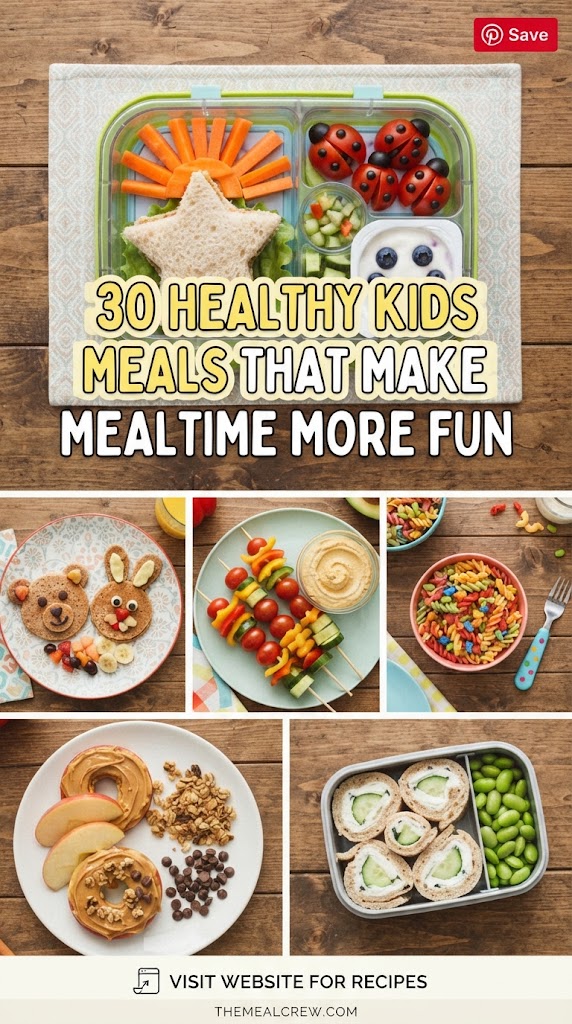
30 Healthy Kids Meals That Make Mealtime More Fun
Getting kids to eat a balanced meal can sometimes feel like a full-time job. One day they love strawberries, and the next day they refuse to look at them. A favorite chicken recipe can suddenly become “boring,” while a simple piece of toast becomes the most exciting food on the table.
The good news is that healthy family meals don’t have to be complicated.
With the right combination of familiar foods, colorful ingredients, fun shapes, simple flavors, and a little creativity, parents can make everyday meals more enjoyable. These 30 healthy kids meals are designed for busy American families who want practical ideas that children will actually be excited to see on their plates.
From colorful breakfast bowls and chicken quesadillas to homemade mini pizzas, fruit skewers, turkey roll-ups, pasta bowls, and build-your-own tacos, there is something here for different ages and preferences.
The goal isn’t to make every meal perfect. Instead, think about creating variety over time and giving children opportunities to enjoy fruits, vegetables, grains, protein foods, and dairy or fortified alternatives.
The USDA’s MyPlate guidance encourages children to eat a variety of foods from the five food groups and to choose nutrient-rich foods while limiting added sugars, saturated fat, and sodium.
So, if you’re searching for healthy kids meals that make mealtime more fun, keep this list handy.
Why Fun and Healthy Kids Meals Matter
Children are more likely to become comfortable with different foods when meals are relaxed and varied.
A healthy meal doesn’t have to look like a perfect nutrition chart. One meal might include chicken, rice, and fruit. Another might be a cheese quesadilla with avocado and berries. Over the course of the day and week, variety can help children get different nutrients and develop familiarity with different flavors and textures.
MyPlate resources for kids emphasize fruits and vegetables, whole grains, varied protein foods, and dairy or fortified alternatives.
Presentation also matters.
A regular sandwich can become a fun sandwich triangle. Fruit can be arranged as a rainbow. Vegetables can be served with a favorite dip. A tortilla can become a colorful wrap.
These little changes don’t require much additional work, but they can make meals feel more exciting.
30 Healthy Kids Meals to Try
1. Rainbow Fruit and Yogurt Bowl
Start the morning with a colorful fruit and yogurt bowl.
Use plain or lightly sweetened yogurt and add a mixture of strawberries, blueberries, bananas, peaches, or another fruit your child enjoys.
Add a small amount of oats or whole-grain cereal for texture.
You can let children create their own “rainbow” by choosing three or four fruits.
Why kids love it
It’s colorful, customizable, and naturally sweet from the fruit.
Easy variation
Turn the ingredients into a yogurt parfait by layering yogurt, fruit, and oats in a clear cup.
2. Mini Chicken Quesadillas
Quesadillas are one of the easiest ways to create a family-friendly meal.
Place shredded cooked chicken and cheese between small tortillas. Cook until the tortilla is lightly crisp and the cheese melts.
Cut into triangles.
Serve with:
- Avocado
- Mild salsa
- Cucumber
- Strawberries
- Corn
Keep toppings separate for children who don’t enjoy mixed foods.
Using leftover chicken makes this meal especially quick.
3. Banana Oat Pancakes
Make breakfast more nutritious by combining mashed banana with oats and eggs to create simple pancakes.
Serve with fresh berries or sliced banana.
Instead of pouring a large amount of syrup over the pancakes, use fruit as a naturally sweet topping.
You can also add cinnamon for extra flavor.
These pancakes work well for breakfast, an afternoon meal, or breakfast-for-dinner night.
4. Homemade Chicken and Sweet Potato Bites
Cut cooked chicken into small pieces and serve with roasted sweet potato cubes.
Add a fruit your child enjoys.
The combination provides protein, a grain-free carbohydrate option, and colorful produce.
For younger children, make sure foods are prepared in developmentally appropriate sizes and textures.
5. Build-Your-Own Taco Bowl
Taco bowls make healthy eating interactive.
Start with rice and add small bowls of:
- Chicken or beans
- Corn
- Avocado
- Tomatoes
- Lettuce
- Shredded cheese
- Mild salsa
Let children choose their toppings.
One child may want chicken and cheese, while another may add several vegetables.
This gives everyone the same basic dinner while allowing individual choices.
6. Colorful Chicken Pasta Bowl
Cook whole-grain or regular pasta and combine it with cooked chicken.
Add colorful vegetables such as peas, carrots, broccoli, or bell peppers.
Use a light tomato sauce or another family favorite.
If your child doesn’t like vegetables mixed into pasta, serve them separately.
This is an important strategy for picky eaters: you can offer nutritious foods without requiring them to be mixed together.
7. Apple and Cheese Snack Plate
A snack plate can become a complete mini meal.
Arrange:
- Apple slices
- Cheese cubes
- Whole-grain crackers
- Cucumber slices
- Cooked chicken or turkey
You can add yogurt or hummus as a dip.
This type of meal is especially helpful on afternoons when children are hungry but dinner is still a few hours away.
8. Mini Homemade Pizzas
Pizza night can absolutely be part of a balanced family routine.
Use whole-wheat English muffins, small tortillas, pita bread, or mini pizza crusts.
Add tomato sauce and mozzarella cheese.
Let children choose toppings such as:
- Chicken
- Mushrooms
- Corn
- Bell peppers
- Tomatoes
- Pineapple
The USDA’s kids’ nutrition resources even suggest homemade individual pizzas using whole-wheat English muffins or tortillas as one way to switch up pizza night.
9. Chicken and Avocado Wrap
Use a whole-grain tortilla and add cooked chicken, avocado, lettuce, and cucumber.
Roll tightly and slice into smaller pieces.
For picky eaters, start with chicken and avocado or chicken and cheese.
Serve berries or apple slices on the side.
This is also an easy lunchbox option when prepared and stored appropriately.
10. Rainbow Vegetable Quesadillas
Add colorful vegetables to a cheese quesadilla.
Try small amounts of:
- Red bell pepper
- Corn
- Spinach
- Carrot
- Tomato
If your child isn’t ready for vegetables inside the quesadilla, serve them alongside it.
The goal is exposure, not forcing a child to eat something they don’t want.
11. Egg and Avocado Toast
Eggs and avocado make a simple breakfast or lunch.
Toast whole-grain bread and top it with scrambled, sliced, or mashed egg and avocado.
Add berries or orange slices.
This meal is fast enough for school mornings and filling enough for a weekend breakfast.
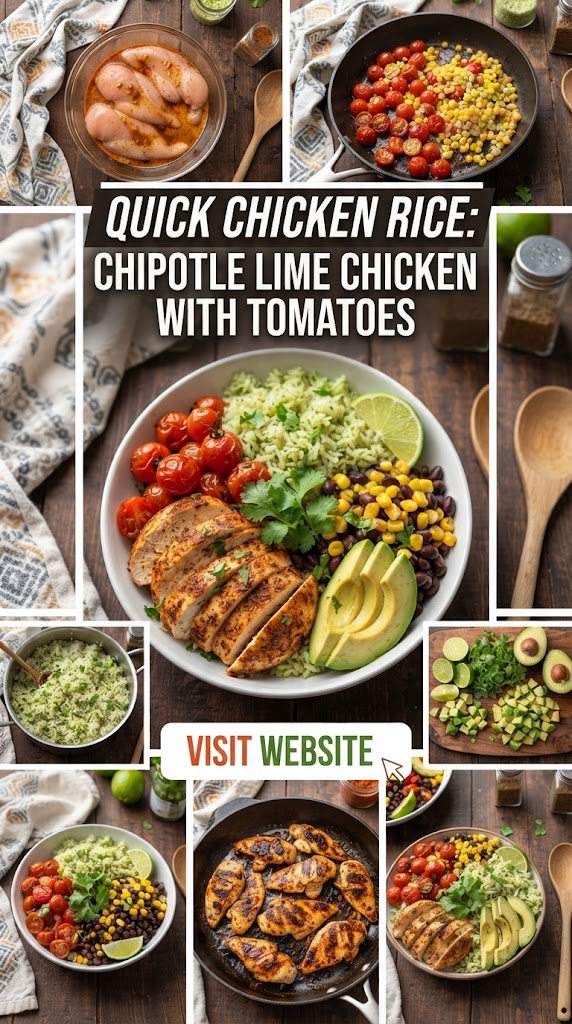
12. Chicken Rice Rainbow Bowl
Start with brown or white rice and add cooked chicken.
Then create colorful sections using:
- Carrots
- Corn
- Peas
- Cucumber
- Avocado
- Red peppers
Children can choose what goes into their bowl.
This is a great way to introduce several vegetables without hiding them.
13. Berry Oatmeal Bowl
Oatmeal doesn’t have to be boring.
Cook oats and top them with:
- Blueberries
- Strawberries
- Banana
- Cinnamon
- Chopped nuts or seeds when age-appropriate and safe
For younger children, use toppings appropriate for their developmental stage.
You can also add plain yogurt for creaminess.
14. Turkey and Cheese Roll-Ups
Roll sliced turkey and cheese inside a tortilla.
Cut into pinwheels and serve with fruit and vegetables.
Try adding cucumber or avocado if your child enjoys them.
These roll-ups are easy to pack for lunch and can be customized for different preferences.
15. Chicken and Broccoli Rice Cups
Combine cooked rice, chicken, and finely chopped broccoli.
Add a little shredded cheese if desired.
Serve the mixture in small bowls or cups.
If your child dislikes broccoli, put it on the side rather than mixing it into the rice.
This meal can be prepared from leftovers, making it particularly convenient for busy families.
16. Homemade Chicken Bites With Fruit
Make small baked chicken bites and serve them with fresh fruit.
Good pairings include:
- Apples
- Strawberries
- Melon
- Blueberries
- Pears
Add cucumber or another vegetable.
Children often enjoy foods they can pick up and dip, so provide a small serving of a favorite dip when appropriate.
17. Sweet Potato and Black Bean Tacos
Tacos don’t have to contain meat.
Roasted sweet potato cubes and black beans make a simple filling.
Add avocado, cheese, and mild salsa.
For children who don’t like tacos, serve the ingredients separately as a taco bowl.
Beans, peas, lentils, nuts, seeds, soy foods, eggs, seafood, and lean meats are among the protein options highlighted in USDA guidance.
18. Fruit and Peanut Butter Toast
For families without peanut allergies, peanut butter and fruit can make an easy breakfast or snack.
Spread peanut butter on whole-grain toast and top with banana or apple slices.
You can also use an appropriate seed butter when peanut products aren’t suitable.
Pair with milk, yogurt, or another suitable food.
Always follow your child’s school allergy policies and your family’s dietary needs.
19. Healthy Chicken Pasta Salad
Cook pasta and let it cool.
Add small pieces of cooked chicken, cucumber, tomatoes, and cheese.
Use a simple dressing.
For children who don’t like mixed foods, arrange the ingredients separately.
This meal works for lunch, dinner, or a picnic.
20. Breakfast-for-Dinner Plate
Make dinner exciting by serving breakfast foods at night.
Try:
- Scrambled eggs
- Whole-grain toast
- Fresh fruit
- Yogurt
- Avocado
You can add chicken or turkey sausage if your family enjoys it.
Kids often enjoy breakfast-for-dinner because it breaks the normal dinner routine.
21. Mini Turkey Burgers
Make small turkey patties and serve them on mini whole-grain buns.
Add cheese, lettuce, tomato, or avocado.
Serve with:
- Fruit
- Cucumber
- Roasted sweet potatoes
Let children assemble their own burgers.
DIY meals can be especially helpful for families with different preferences.
22. Homemade Chicken Noodle Soup
Chicken noodle soup can be a comforting family meal.
Use cooked chicken, noodles, carrots, celery, and a mild broth.
Add other vegetables your family enjoys.
For a more filling version, use whole-grain noodles.
Serve with fruit on the side.
23. Hummus and Veggie Plate
Hummus can be a useful dip for introducing vegetables.
Serve hummus with:
- Cucumber
- Carrot sticks
- Bell peppers
- Whole-grain pita
- Apple slices
You can add cheese or cooked chicken for additional protein.
MyPlate’s kids resources specifically highlight vegetables with hummus as a way to include protein, fiber, and vegetables in meals or snacks.
24. Chicken and Waffle Bites
Use small whole-grain waffles and cooked chicken.
Cut everything into child-friendly pieces.
Serve fruit on the side.
For dipping, use a small amount of syrup or another family-approved sauce.
The combination of sweet and savory flavors can make this meal feel special without requiring a complicated recipe.
25. Colorful Pasta Skewers
For older children who can safely handle them, create fun pasta-and-vegetable combinations.
Use cooked pasta, cheese cubes, cucumber, and chicken.
For younger children, skip skewers and serve the same ingredients separately because food safety and choking considerations vary by age.
The colorful presentation can turn an ordinary pasta meal into something more exciting.
26. Berry Smoothie Bowl
Blend yogurt, berries, banana, and milk or a suitable fortified alternative.
Pour into a bowl and add toppings such as oats, fruit, or seeds when age-appropriate.
A smoothie bowl can be a fun breakfast because kids can choose their own toppings.
Avoid relying on smoothies to replace whole fruits and vegetables all the time. Offering produce in different forms helps children become familiar with different textures.
27. Chicken and Cheese Pinwheels
Spread a tortilla with a suitable spread, add shredded chicken and cheese, and roll tightly.
Slice into small pinwheels.
Serve with berries, cucumber, or carrots.
These are easy to prepare ahead of time and can work as both lunch and dinner.
28. Veggie and Egg Breakfast Muffins
Whisk eggs with finely chopped vegetables and cheese.
Pour into muffin cups and bake until fully cooked.
Try combinations such as:
- Spinach and cheese
- Broccoli and cheddar
- Tomato and mozzarella
- Bell pepper and cheese
Serve with fruit and toast.
These can also be prepared ahead of time for busy mornings.
29. Homemade Chicken Sandwich
Use whole-grain bread and cooked chicken.
Add lettuce, cucumber, tomato, avocado, or cheese.
Cut the sandwich into fun shapes or small triangles.
Serve with fruit rather than relying on chips as the main side.
A simple sandwich can be a balanced meal when paired with nutritious sides.
30. DIY Healthy Kids Meal Board
Create a colorful family meal board with several small portions.
Include:
- Chicken pieces
- Cheese
- Whole-grain crackers
- Fruit
- Vegetables
- Hummus
- Yogurt
- Whole-grain pita
Let children choose a few items.
This type of deconstructed meal can be especially useful when children have different preferences.
How to Make Healthy Kids Meals More Fun
Healthy food doesn’t need to be presented as a chore.
Small changes can make meals feel more exciting.
Use Different Colors
Color is one of the easiest ways to make a plate more appealing.
Try combining:
- Red strawberries
- Orange carrots
- Green cucumber
- Yellow corn
- Blueberries
You don’t need every color at every meal.
Just aim for variety over time.
Make Mini Versions
Children often enjoy foods that look like their size.
Instead of a large sandwich, make mini sandwiches.
Instead of a large quesadilla, use a small tortilla.
Instead of a full burger, make a slider.
Mini foods are also easier for younger children to handle.
Create Build-Your-Own Meals
DIY meals give children choices.
Try:
- Taco bowls
- Pizza
- Sandwiches
- Wraps
- Rice bowls
- Snack plates
Instead of preparing several different dinners, you can prepare one meal with several components.
Healthy Kids Meals for Picky Eaters
Picky eating is common during childhood, and forcing children to eat foods can make mealtimes stressful.
The American Academy of Pediatrics notes that selective eating is common, particularly in younger children, and recommends a low-pressure approach to help children become comfortable with a wider variety of foods.
One useful strategy is to include a familiar food with something new.
For example:
Familiar: Chicken
New: Broccoli
Familiar: Rice
New: Avocado
Another strategy is to serve new foods in very small amounts.
A child doesn’t have to eat an entire serving of broccoli to become familiar with it.
Simply seeing, touching, smelling, or tasting a food can become part of the learning process.
Let Kids Help Prepare Meals
Cooking with children can make meals more engaging.
Depending on their age, kids can help:
- Wash fruit
- Stir ingredients
- Measure oats
- Assemble sandwiches
- Choose vegetables
- Build tacos
- Decorate mini pizzas
- Set the table
The USDA recommends involving children in meal preparation and offers MyPlate activities designed to help kids learn about the five food groups.
When children participate, they may become more interested in the food they’ve helped prepare.
Don’t Focus on a Perfect Plate
Parents sometimes worry if their child doesn’t eat vegetables at every meal.
A single meal doesn’t determine a child’s overall eating pattern.
Look at the bigger picture.
If breakfast includes fruit, lunch includes vegetables, and dinner includes another fruit or vegetable, variety is being offered throughout the day.
The CDC also notes that children can eat different amounts from day to day and recommends paying attention to hunger and fullness cues rather than requiring children to finish everything on the plate.
This can help make mealtimes less stressful.
Simple Healthy Kids Meal Formula
When you don’t know what to make, use a simple formula.
Pick One Protein
Examples:
- Chicken
- Turkey
- Eggs
- Beans
- Lentils
- Fish
- Yogurt
- Cheese
Pick One Grain or Starchy Food
Examples:
- Rice
- Whole-grain bread
- Pasta
- Oatmeal
- Tortilla
- Potatoes
Add Fruit or Vegetables
Choose:
- Apple
- Berries
- Banana
- Cucumber
- Carrots
- Broccoli
- Corn
Add a Dairy or Fortified Alternative When Appropriate
Examples include:
- Milk
- Yogurt
- Cheese
- Fortified soy milk
- Fortified soy yogurt
USDA MyPlate identifies vegetables, fruits, grains, protein foods, and dairy as the five food groups.
This simple formula gives parents a starting point without requiring a complicated recipe.
Healthy Breakfast Ideas for Kids
Breakfast can be simple.
Try:
Option 1
Oatmeal + banana + yogurt
Option 2
Egg toast + strawberries
Option 3
Yogurt parfait + berries + oats
Option 4
Banana oat pancakes + fruit
Option 5
Whole-grain toast + avocado + egg
Option 6
Fruit smoothie bowl + oats
The USDA recommends whole fruits, whole grains, varied protein foods, and appropriate dairy or fortified alternatives as part of healthy eating patterns for children.
Healthy Lunch Ideas for Kids
Lunch doesn’t have to be a sandwich every day.
Try:
- Chicken pinwheels
- Pasta salad
- Taco bowls
- Hummus and pita
- Chicken quesadillas
- Turkey roll-ups
- Rice bowls
- Egg sandwiches
- Snack plates
- Mini pizzas
Variety can make school lunches more interesting and expose children to different flavors and textures. Recent U.S. family food coverage has also emphasized moving beyond repetitive sandwiches while keeping lunches practical.
Healthy Snack Ideas for Kids
Instead of relying on packaged snacks every afternoon, try simple combinations.
Fruit + Protein
Apple + cheese
Vegetable + Dip
Cucumber + hummus
Dairy + Fruit
Yogurt + berries
Grain + Protein
Whole-grain crackers + turkey
Toast + Fruit
Whole-grain toast + banana
Combining foods can make snacks more satisfying than offering a single food alone.
Easy Meal Prep for Busy Parents
Healthy eating doesn’t mean cooking everything from scratch every day.
Prepare versatile ingredients once and use them several times.
For example:
Cooked Chicken
Use it for:
- Quesadillas
- Wraps
- Pasta
- Rice bowls
- Sandwiches
Cooked Rice
Use it for:
- Rice bowls
- Fried rice
- Chicken bowls
- Bean bowls
Washed Fruit
Use it for:
- Breakfast
- Lunchboxes
- Snacks
- Dessert
Chopped Vegetables
Use them for:
- Omelets
- Wraps
- Tacos
- Pasta
- Snack plates
Recent U.S. family meal-planning advice has emphasized preparing individual meal components such as chicken and rice rather than making complete meals in advance, allowing ingredients to be reused throughout the week.
A Simple 7-Day Healthy Kids Meal Plan
If you’re looking for an easy starting point, try this sample week.
Monday
Breakfast: Banana oatmeal
Lunch: Chicken pinwheels
Dinner: Chicken rice bowls
Snack: Apple and cheese
Tuesday
Breakfast: Egg and avocado toast
Lunch: Mini quesadillas
Dinner: Turkey sliders and sweet potatoes
Snack: Yogurt and berries
Wednesday
Breakfast: Yogurt parfait
Lunch: Pasta salad
Dinner: Homemade mini pizzas
Snack: Cucumber and hummus
Thursday
Breakfast: Banana oat pancakes
Lunch: Chicken wrap
Dinner: Black bean tacos
Snack: Fruit and cheese
Friday
Breakfast: Egg muffins and fruit
Lunch: Snack plate
Dinner: Homemade chicken bites
Snack: Yogurt and banana
Saturday
Breakfast: Smoothie bowl
Lunch: Chicken sandwich
Dinner: Chicken noodle soup
Snack: Apple and peanut butter, if appropriate
Sunday
Breakfast: Whole-grain toast and eggs
Lunch: Chicken pasta
Dinner: DIY taco bowls
Snack: Berries and yogurt
You can adjust this plan based on your family’s dietary needs, allergies, budget, preferences, and schedule.
Budget-Friendly Healthy Kids Meals
Eating well doesn’t have to mean buying expensive specialty foods.
Some affordable staples include:
- Oats
- Eggs
- Rice
- Beans
- Lentils
- Potatoes
- Bananas
- Apples
- Frozen vegetables
- Whole-grain pasta
- Tortillas
- Yogurt
Frozen and canned produce can also be useful options. The CDC notes that frozen, dried, or canned fruits and vegetables can fit into healthy eating patterns when chosen appropriately, such as options without added sugar and lower-sodium choices.
Buying foods that can be used in multiple meals can also reduce waste.
Healthy Drinks for Kids
Water is an easy everyday choice.
Milk or an appropriate fortified alternative can also provide important nutrients.
For children who consume dairy, USDA guidance includes low-fat or fat-free milk and yogurt among dairy choices, while fortified soy milk and yogurt can be alternatives for those who don’t consume dairy.
Try making water more interesting by adding:
- Lemon
- Lime
- Orange
- Berries
- Mint
Avoid making sugary drinks a regular part of every meal.
Making Vegetables More Appealing
Vegetables don’t have to be hidden to be eaten.
Try serving them in different forms.
Carrots
Raw sticks, roasted coins, or grated into a wrap.
Broccoli
Steamed, roasted, or chopped into rice.
Bell Peppers
Raw strips, cooked in quesadillas, or added to tacos.
Sweet Potatoes
Roasted cubes, wedges, or mashed.
Cucumbers
Rounds, sticks, or diced into a rice bowl.
Give children repeated opportunities to see and try vegetables without pressure.
Family Mealtime Tips
Healthy food is only one part of a positive family meal.
The atmosphere matters too.
The CDC recommends establishing mealtime routines, offering healthy choices, and paying attention to children’s hunger and fullness cues.
Try these simple habits:
- Eat together when possible.
- Turn off distracting screens.
- Let children help prepare food.
- Offer choices.
- Keep portions appropriate.
- Don’t require children to clean their plates.
- Keep mealtime relaxed.
- Model healthy eating yourself.
The American Academy of Pediatrics also highlights family meals as an opportunity for children to learn about food, communication, routines, and healthy habits.
Food Safety for Kids
Healthy food should also be prepared safely.
Wash produce before serving.
Keep raw meat separate from ready-to-eat foods.
Cook poultry and other foods to safe internal temperatures.
Refrigerate perishable leftovers promptly.
For packed lunches, use appropriate insulated containers and cold packs when necessary.
For babies and young children, pay particular attention to choking hazards and age-appropriate food preparation.
If your child has food allergies, follow their medical and school guidance carefully.
Final Thoughts
Finding healthy kids meals that make mealtime more fun doesn’t require complicated recipes or expensive ingredients.
Start with foods your children already enjoy and gradually add variety.
Make meals colorful.
Create mini versions.
Offer dips.
Let children build their own tacos, pizzas, wraps, or rice bowls.
Give them age-appropriate opportunities to help in the kitchen.
Most importantly, keep the pressure low.
Children’s appetites can change from one day to another, and picky eating can be a normal part of childhood. The CDC recommends paying attention to hunger and fullness cues rather than expecting children to finish everything on their plate.
A healthy eating pattern develops over time.
One breakfast doesn’t need to contain every food group. One dinner doesn’t need to be perfect. What matters is offering a variety of nutritious foods throughout the day and week.
With these 30 healthy kids meal ideas, you have plenty of simple options to rotate through breakfast, lunch, dinner, and snacks.
Whether you’re preparing school lunches, planning quick weeknight dinners, or looking for new ways to make vegetables more appealing, these ideas can help make family meals easier and more enjoyable.
The best healthy kids meals are the ones that fit your family’s real life—simple enough for busy parents, flexible enough for picky eaters, and fun enough that kids actually want to sit down and eat.
SEO Information
Primary Keyword:
Healthy Kids Meals
Secondary Keywords:
healthy kids meals, healthy meals for kids, healthy kids meal ideas, easy kids meals, fun kids meals, healthy kid-friendly recipes, kids dinner ideas, healthy lunch ideas for kids, healthy breakfast ideas for kids, picky eater meals, healthy meals for picky eaters, easy family meals, family-friendly recipes, healthy snacks for kids, kids lunch ideas, healthy school lunch ideas, quick kids meals, easy weeknight meals for kids, nutritious meals for kids, fun healthy meals for kids
Long-Tail SEO Keywords:
- 30 healthy kids meals
- healthy kids meals that are fun
- healthy meals kids will actually eat
- easy healthy meals for kids
- healthy dinner ideas for kids
- healthy lunch ideas for picky eaters
- fun healthy meal ideas for kids
- healthy family meals for busy parents
- easy healthy kids dinner recipes
- healthy meals for picky eaters
- simple healthy meals for children
- healthy school lunch ideas for kids
- quick healthy meals for kids
- healthy breakfast ideas for children
- easy kid-friendly healthy recipes